
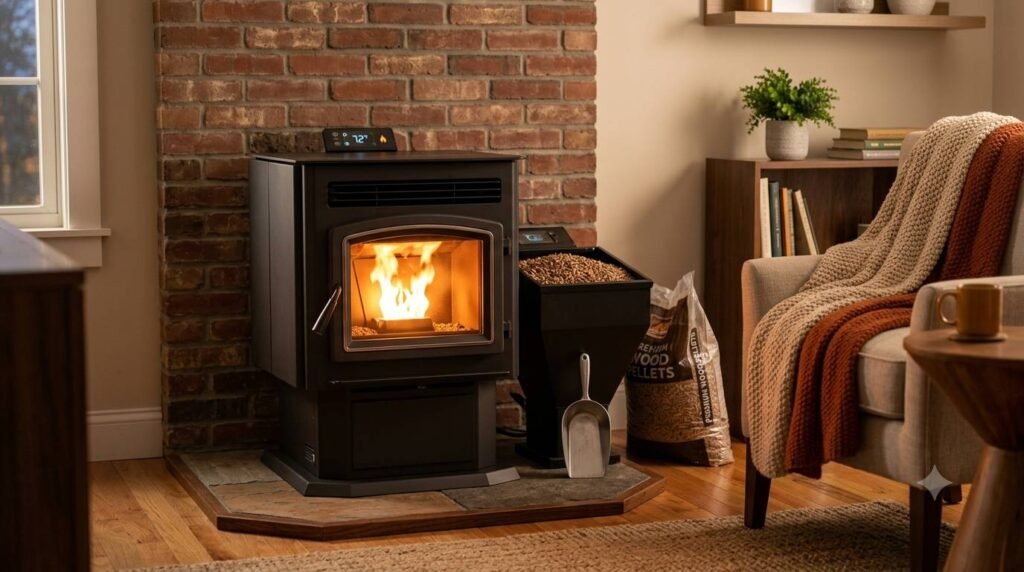
Pellet stoves offer steady, efficient heat and can run for many hours when used correctly. Knowing the safe limits, key factors, and simple care steps helps homeowners enjoy continuous warmth without risk. Follow these practical guidelines for reliable performance and peace of mind all winter long.
Pellet stoves deliver consistent warmth using compressed wood pellets and are popular for their efficiency and lower emissions. Many models can operate for extended periods, sometimes up to 24 or even 48 hours on a full hopper. The exact safe runtime depends on several practical factors. Understanding these limits and following basic care rules keeps the stove reliable and reduces risks. Homeowners who prioritize proper operation enjoy steady heat while practicing the safe use of pellet stoves every day. Simple habits and regular checks make continuous operation both comfortable and responsible.
Key Considerations for Continuous Operation
Most modern pellet stoves are designed for long run times. A typical hopper holds enough pellets for several hours of steady heat. Larger hoppers or lower heat settings can stretch that time further, often reaching a full day or more before refueling is needed.
The stove cycles automatically based on the thermostat setting. It feeds pellets as required and adjusts airflow to maintain the desired temperature. This design supports overnight or multi-day use when the unit is clean and properly maintained. Always check the owner’s manual for the specific model’s maximum recommended continuous runtime.
Key Factors That Affect Safe Runtime
Several elements determine how long a pellet stove can run safely:
- Hopper size and how full it is at the start
- Quality and dryness of the pellets
- Heat setting chosen on the control panel
- Overall cleanliness of the burn pot, ash pan, and exhaust path
High-quality pellets burn more cleanly and produce less ash, which helps the stove run longer without interruption. Damp or low-grade pellets create more residue and can shorten safe operating time. Lower heat settings also extend the interval between refills while still providing comfortable warmth.
Essential Maintenance for Longer Safe Runs
Regular cleaning is the most important step for safe extended operation. Empty the ash pan before it becomes too full. Scrape the burn pot to remove any clinkers or buildup that can restrict airflow.
Inspect the exhaust vent and clean it according to the manufacturer’s schedule. Restricted exhaust reduces efficiency and can lead to incomplete combustion. Check the pellet supply daily during continuous use and top it off before the hopper runs low. These simple tasks keep the stove operating within safe temperature ranges and prevent automatic shutdowns.
Ventilation and Safety Considerations
Proper ventilation is essential whenever a pellet stove runs for long periods. Make sure the installation meets clearance requirements and that the exhaust system vents outdoors correctly. Fresh air intake helps maintain clean combustion and healthy indoor air.
Most pellet stoves need electricity to power the auger and fans. A power interruption will stop pellet feed, though residual heat may continue briefly. Keep doors closed during any outage and restart only after power returns and the unit has cooled if required. Smoke and carbon monoxide detectors should always be present and working near the stove.
How to Maximize Efficient and Safe Use
- Follow the manufacturer’s loading and cleaning schedule exactly.
- Use only dry, high-quality wood pellets recommended for your model.
- Keep the area around the stove clear of combustibles.
- Schedule professional inspections at the start of each heating season.
These habits support both longer safe runtimes and better fuel efficiency. A clean, well-tuned stove uses fewer pellets to deliver the same heat, which lowers operating costs while maintaining comfort.
When to Shut Down and Inspect
Even stoves designed for continuous use benefit from periodic cool-downs. Shut the unit off completely every few days for a thorough cleaning if it has been running nonstop. Look for any unusual smells, excessive smoke, or changes in flame pattern.
If the stove shuts itself down repeatedly or displays error codes, stop using it until the cause is identified and corrected. Professional service is the safest next step when problems appear. Consistent attention to these details supports the safe use of pellet stoves over many seasons.
FAQs
Can a pellet stove run continuously for 24 hours?
Yes, many models are designed for extended operation and can run 24 hours or longer on a full hopper when properly maintained.
What is the most important factor for safe long runtimes?
Regular cleaning of the ash pan, burn pot, and exhaust system prevents buildup that could reduce efficiency or create safety issues.
Do pellet stoves need electricity to run?
Yes. The auger and fans require power. A power outage stops pellet feed, though residual heat may continue briefly.
How often should I clean the stove during continuous use?
Empty the ash pan and check the burn pot daily or as recommended in the owner’s manual to keep airflow clear.
When should I call a professional?
Contact a qualified technician if the stove shuts down repeatedly, produces unusual smoke or smells, or shows error codes that basic cleaning does not resolve.
Wrapping Up
A pellet stove can run safely for many hours—often a full day or longer—when the hopper is full, the unit is clean, and basic safety rules are followed. Hopper capacity, pellet quality, heat settings, and regular maintenance all influence how long continuous operation remains safe. Emptying ash, cleaning the burn pot, checking the exhaust, and ensuring proper ventilation are essential steps. Power needs and detector placement add further layers of protection. By combining these practices, homeowners gain reliable warmth and lower energy costs while practicing the safe use of pellet stoves. Stay consistent with care, follow the manufacturer’s guidelines, and enjoy steady, efficient heat throughout the cold months.