
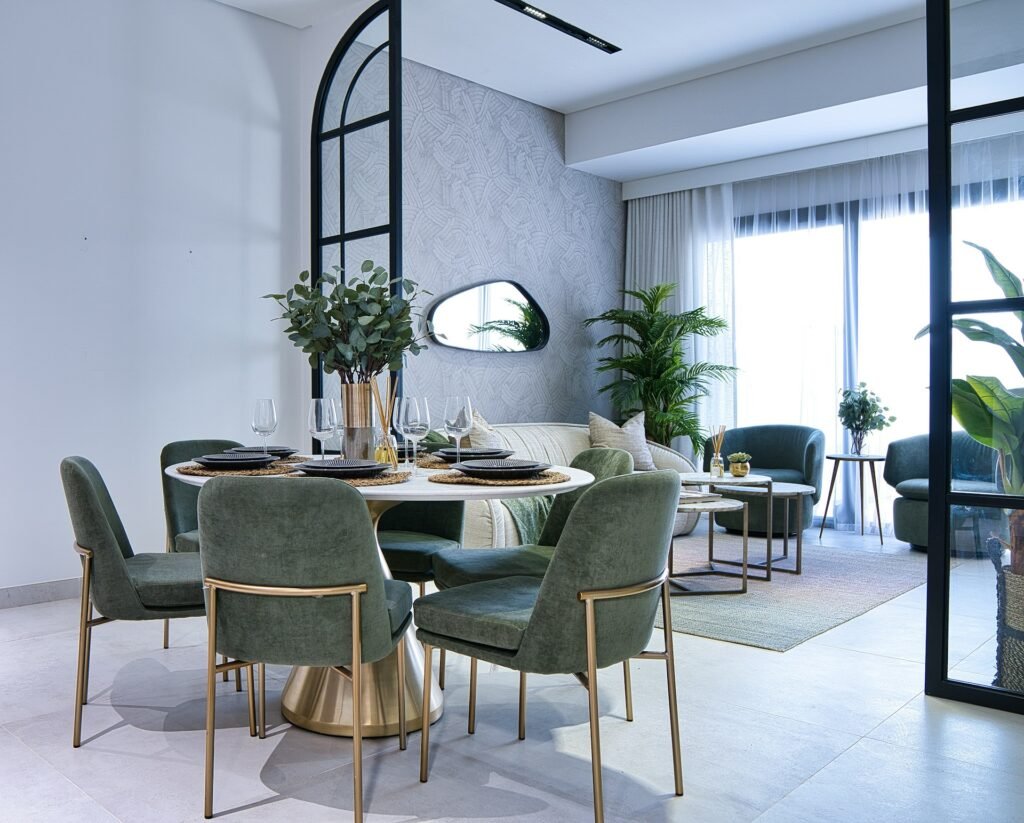
Living in a large home in Dubai offers space, privacy and comfort, but the desert climate brings particular design challenges. Strong sunlight, high temperatures and seasonal humidity can affect indoor comfort, furniture and finishes. A well-designed villa should feel welcoming while remaining practical throughout the year.
Thoughtful Dubai Villa Interior Design focuses on balancing style with everyday comfort. A successful approach to interior design Dubai considers suitable materials, natural light, cooling requirements and spacious layouts. Every decision contributes to a home that feels calm, comfortable and easy to maintain.
1. Understand How the Desert Climate Affects Your Home
Dubai’s climate should influence interior design decisions from the beginning. Large windows, open layouts and high ceilings create attractive spaces, but they can also make indoor temperatures harder to manage.
Direct sunlight can warm rooms and gradually fade certain fabrics and finishes. Humidity may also affect materials that are not suitable for local conditions.
Consider the position of windows, the direction of sunlight and how different rooms are used throughout the day. These details help homeowners make sensible choices about window coverings, furniture placement and cooling requirements.
2. Choose Colours That Create a Calm Atmosphere
Colour plays an important role in making large interiors feel comfortable rather than overwhelming. Light, neutral shades can create an open atmosphere while supporting a relaxed appearance.
Warm whites, beige, cream, sand and soft grey work particularly well in desert-inspired interiors. These colours complement natural materials and allow furniture to stand out without making rooms feel crowded.
However, an entirely neutral interior can sometimes appear flat. Introducing muted greens, earthy browns or terracotta accents adds depth and character.
The aim is to create a consistent colour scheme throughout the villa while allowing individual rooms to maintain their own personality.
3. Manage Natural Light Without Losing Brightness
Natural daylight is one of the most attractive features of spacious villas. However, excessive sunlight can increase indoor heat and cause discomfort during warmer months.
Large windows require careful attention, particularly where they receive strong afternoon sunlight. Suitable window treatments can help manage brightness and improve privacy.
Layered curtains offer flexibility because sheer fabrics provide privacy while heavier curtains reduce glare. Blinds and suitable solar-control glazing may also help regulate sunlight.
Before replacing glazing or installing permanent shading, consult an appropriate specialist to understand thermal performance, installation requirements and any necessary approvals.
4. Select Materials That Suit Desert Conditions
Materials influence appearance, durability and maintenance. In Dubai, homeowners should consider how finishes respond to sunlight, humidity and regular use.
Natural stone, porcelain tiles and suitably specified engineered surfaces can provide practical flooring options. Timber finishes introduce warmth, although their suitability depends on construction, installation and indoor humidity conditions.
Upholstery also deserves attention. Fabrics should be selected according to their cleaning requirements, durability and resistance to fading.
Choose materials based on their intended location rather than appearance alone. Products used near windows, bathrooms or outdoor entrances may face different conditions from those in protected living spaces.
5. Plan Large Rooms Around Everyday Activities
Spacious interiors require thoughtful furniture arrangements. Without clear planning, large rooms can feel disconnected, even when furnished with expensive pieces.
Start by considering how each area will function. Family lounges, formal reception rooms, dining spaces and private relaxation areas may have different requirements.
In interior design Dubai, effective space planning is particularly important for large villas where several living areas must feel connected without losing their individual purpose.
Furniture placement should encourage comfortable movement and conversation. Rugs, lighting and seating arrangements can help define separate areas without adding unnecessary partitions.
Maintaining clear pathways is equally important. Oversized furniture may look impressive, but it should never compromise circulation or make rooms difficult to use.
6. Improve Indoor Comfort Through Practical Design
A stylish villa should also support comfortable indoor temperatures. Interior decisions can complement the cooling system, although decoration alone cannot replace effective insulation and air conditioning.
Several practical measures deserve consideration:
- Use suitable window coverings: Reduce unwanted glare and solar heat entering living areas.
- Keep air vents unobstructed: Arrange furniture without restricting conditioned airflow.
- Review insulation: Ask qualified professionals to assess areas where excessive heat enters.
- Choose efficient lighting: LED lighting generally produces less waste heat than traditional incandescent bulbs.
- Maintain cooling equipment: Regular servicing helps air conditioning systems operate as intended.
- Monitor indoor humidity: Address excessive moisture through appropriate ventilation and humidity control.
These measures work best when considered alongside the villa’s existing building systems. Significant changes to ventilation or cooling arrangements should be assessed by qualified professionals.
7. Create a Natural Connection Between Indoor and Outdoor Spaces
Outdoor living is an important consideration when planning spacious homes in Dubai. Gardens, covered terraces and poolside areas can extend the usable living space during suitable weather.
A consistent design approach helps create a comfortable transition between interiors and outdoor areas. Similar colour palettes and complementary finishes can provide visual continuity.
However, outdoor materials must withstand direct sunlight, dust and changing weather conditions. Furniture and fabrics intended exclusively for indoor use may deteriorate quickly outside.
Covered seating, suitable shading and practical access arrangements can make outdoor spaces more convenient while protecting selected furnishings.
8. Balance Decorative Details With Practical Maintenance
Large villas often feature statement lighting, decorative wall finishes and carefully selected furniture. These details can create character, but excessive decoration may make spaces difficult to maintain.
Choose features that complement the architecture rather than compete for attention. Well-proportioned lighting, restrained artwork and comfortable furniture can provide visual interest without creating clutter.
Maintenance should influence purchasing decisions. Consider whether surfaces show fingerprints, whether fabrics require specialist cleaning and how easily decorative items can be maintained.
A carefully edited interior usually feels more peaceful and remains easier to manage over time.
9. Know When Professional Design Advice Is Useful
Planning a large villa involves more than selecting furniture and colours. Lighting, spatial arrangements, materials and mechanical systems often need coordination.
An interior designer can assist with layout planning, material selection and maintaining visual consistency across different rooms. Larger renovation projects may also require architects, engineers or specialist contractors.
Structural alterations, changes to building services and certain external modifications may require authority or community approvals in Dubai. Requirements depend on the property and proposed work.
Seeking appropriate advice before making major changes can help avoid unsuitable design decisions and unnecessary disruption.
Conclusion
Designing for desert living requires a balance between comfort, appearance and practicality. Suitable materials, controlled sunlight, thoughtful layouts and effective cooling arrangements all contribute to a welcoming villa that suits Dubai’s climate.
A practical approach to interior design Dubai begins with understanding how sunlight, space and daily activities affect the home. Prioritising lasting comfort, choosing finishes carefully and seeking professional guidance for significant changes can help create a stylish villa that remains practical throughout the year.


