A radiator that heats unevenly can be more than a minor inconvenience. Cold spots often signal an underlying issue within your heating system, affecting both comfort and efficiency. When left unaddressed, these problems can lead to higher energy use and reduced performance over time.
Understanding why cold spots appear—and how to deal with them—can help you maintain a warm, efficient home. Whether the issue is minor or requires a bit more attention, identifying the cause is the first step towards a practical solution.
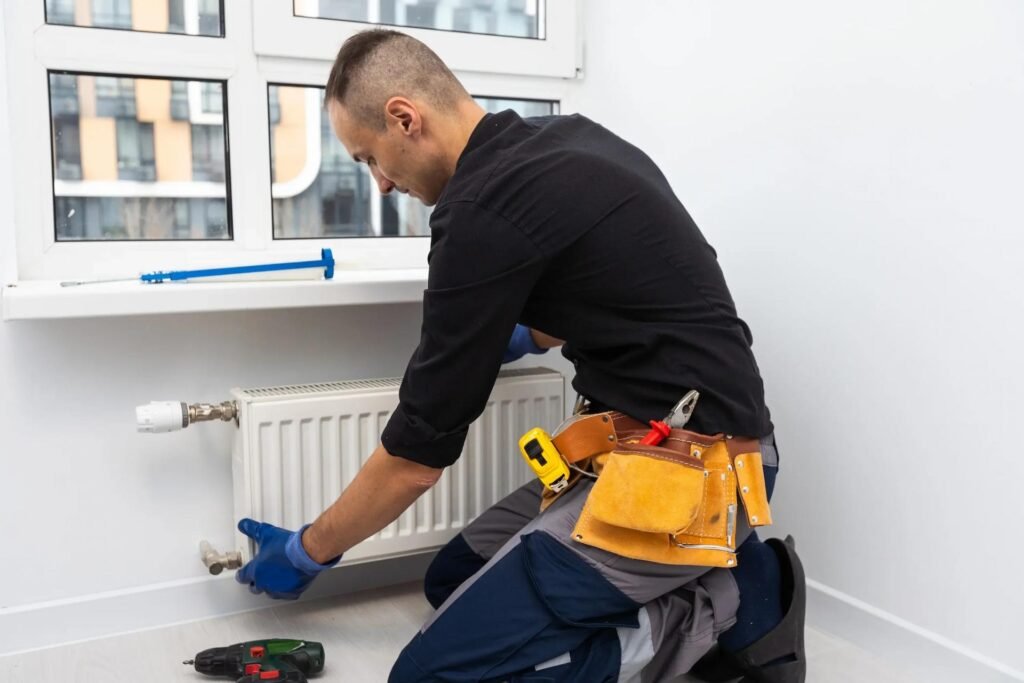
In many homes, the Radiator is a central part of the heating system, so ensuring it works effectively is essential for consistent indoor warmth.
What Are Cold Spots in Radiators?
Cold spots are areas on a radiator that remain cool while the rest of the unit heats up. These patches can appear at the top, middle, or bottom of the radiator, and their position often indicates the cause of the problem.
Typically, a properly functioning radiator should heat evenly from top to bottom. Any deviation from this pattern suggests something is preventing hot water from circulating effectively.
Common Causes of Cold Spots
Understanding the root cause helps you determine the correct fix. Several issues can lead to uneven heating.
Air Trapped Inside the System
One of the most common causes is trapped air. Over time, air can accumulate inside the radiator, particularly at the top. Since air prevents hot water from reaching certain sections, it creates noticeable cold areas.
This is often the case when the top of the radiator feels cool while the bottom remains warm.
Sludge and Debris Build-Up
Another frequent issue is sludge. This thick, muddy substance forms from rust, dirt, and limescale within the system. It tends to settle at the bottom of the radiator, blocking water flow.
If the bottom of your radiator is cold while the top is warm, sludge is likely the culprit.
Poor Water Circulation
In some cases, the issue lies in the system’s overall circulation. Problems with the pump or pipework can prevent hot water from reaching certain radiators or sections.
This may result in inconsistent heating across multiple radiators, not just one.
Incorrect Balancing
Radiators need to be properly balanced so that hot water is distributed evenly throughout the system. If one radiator heats up quickly while others lag behind, balancing may be required.
An unbalanced system can cause some units to develop cold spots while others overheat.
How to Diagnose the Problem
Before attempting any fix, it is important to identify the exact cause. A simple inspection can often provide useful clues.
Start by checking where the cold spot is located. The position usually points directly to the issue:
- Cold at the top: likely trapped air
- Cold at the bottom: possible sludge build-up
- Cold in the middle: circulation or internal blockage
- Multiple radiators affected: system imbalance or pump issue
Next, observe how quickly the radiator heats up compared to others. Uneven heating patterns can indicate broader system problems.
Practical Ways to Fix Cold Spots
Once you understand the cause, you can take appropriate action. Some solutions are straightforward and can be done at home, while others may require professional help.
Bleeding the Radiator
If trapped air is the issue, bleeding the radiator is usually effective. This process releases the air and allows hot water to circulate properly.
Use a radiator key to open the valve slightly until you hear a hissing sound. Once water begins to escape, close the valve. This simple step often restores full heat.
Flushing Out Sludge
For sludge build-up, a system flush may be needed. This involves cleaning the inside of the radiator to remove debris.
In minor cases, you can remove and rinse the radiator manually. However, for more extensive build-up, a professional power flush is often recommended.
Checking System Pressure
Low boiler pressure can affect circulation. Ensure your system pressure is within the recommended range. If it is too low, topping it up may improve performance.
Balancing the Radiators
Balancing involves adjusting the valves on each radiator to ensure even heat distribution. This process can take some time but significantly improves efficiency across the system.
Preventing Future Cold Spots
Regular maintenance plays a key role in preventing these issues. Keeping your heating system in good condition reduces the likelihood of recurring problems.
Here are some practical steps to consider:
- Bleed radiators periodically to remove trapped air
- Use a central heating inhibitor to reduce corrosion and sludge
- Schedule occasional system flushing to maintain internal cleanliness
- Check boiler pressure regularly
- Ensure radiators are properly balanced after installation or repair
Taking these preventive measures helps your Radiator perform consistently and efficiently over time.
When to Call a Professional
While many issues can be resolved with basic maintenance, some situations require expert attention. If cold spots persist despite your efforts, it may indicate a deeper problem within the system.
A heating engineer can assess components such as the pump, pipework, or boiler to identify faults that are not immediately visible. Seeking professional advice ensures the problem is addressed correctly without risking further damage.
The Importance of Efficient Heating
An evenly heated radiator does more than improve comfort. It also contributes to better energy efficiency and lower heating costs. When your system runs smoothly, it requires less energy to maintain a consistent temperature.
Investing time in diagnosing and fixing cold spots ensures your Radiator continues to operate effectively, especially during colder months when reliability matters most.
Conclusion
Cold spots in radiators are a common issue, but they are usually straightforward to diagnose and fix. Whether caused by trapped air, sludge build-up, or circulation problems, each issue has a clear solution once identified.
By paying attention to heating patterns and carrying out regular maintenance, you can keep your system running efficiently. Addressing problems early not only restores comfort but also helps extend the lifespan of your heating system.
A well-maintained radiator delivers consistent warmth, improves energy efficiency, and ensures your home remains comfortable throughout the year.